Work

My work focuses on translating complex technological capabilities into systems organizations and people can actually operate.

Across aerospace, platform ecosystems, spatial computing, and enterprise software, I’ve worked at the intersection of emerging technology, product strategy, and organizational systems.

Environments

Platform Ecosystems

Working within global software platforms coordinating large networks of developers, partners, and users.


Frontier Technology Programs

Organizations developing systems at the edge of current technological capabilities, including aerospace and spatial computing.


Research-to-Product Transitions

Helping emerging technologies move from experimental systems into real products and organizations.


Early-Stage Platforms

Building new software systems and operational models from the ground up.

Featured Work


Commercial Human Spaceflight Systems

Blue Origin

Contributed to the development of operational and technical systems supporting commercial human spaceflight. Work focused on aligning engineering, operational, and human experience considerations in environments where safety, reliability, and organizational coordination were critical.

Spatial Computing Interaction Systems

Meta (Reality Labs Research)

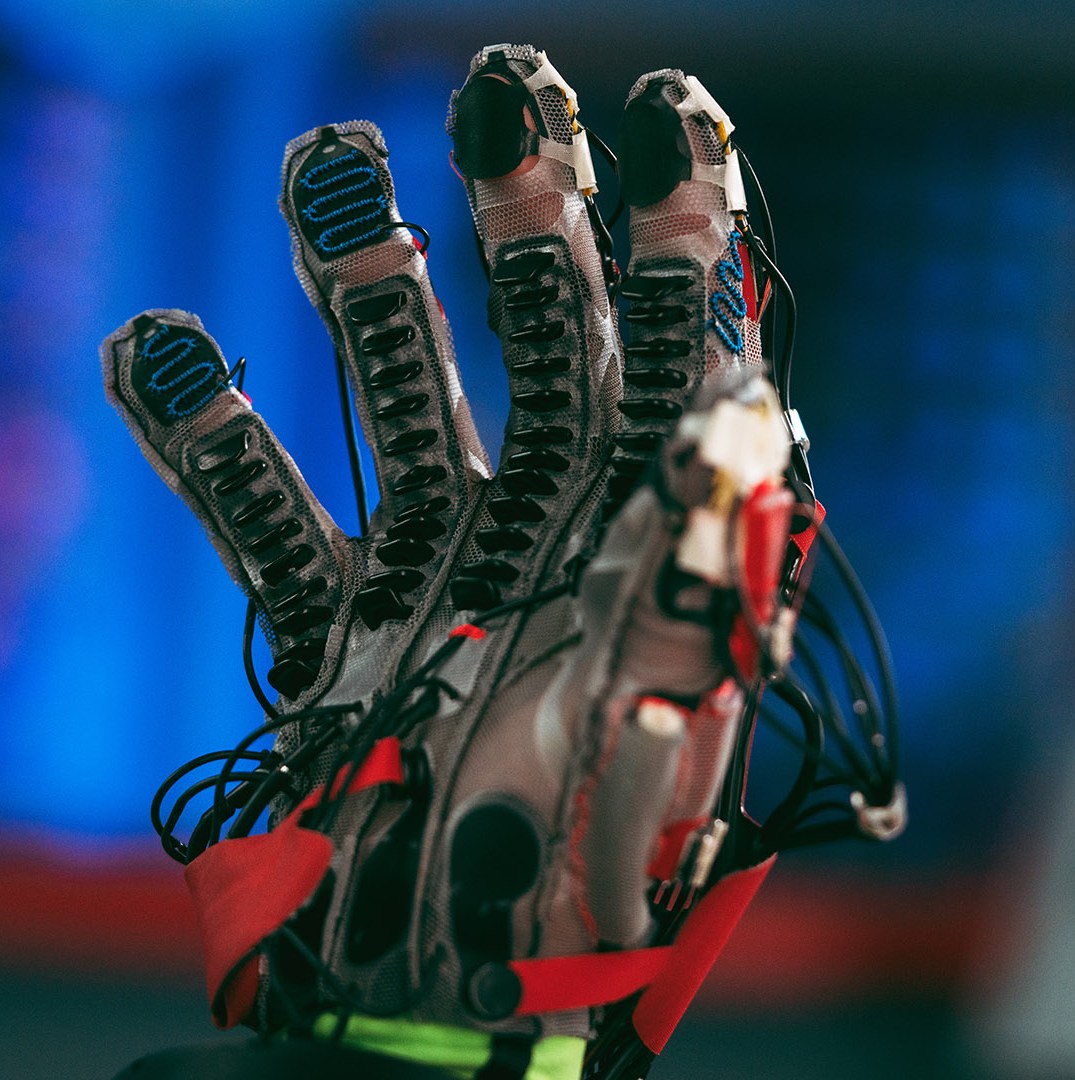
Worked within research and product teams exploring next-generation human–computer interaction systems for spatial computing environments, translating experimental capabilities into frameworks for future product platforms.

Platform Ecosystems + Connected Systems

Microsoft

Contributed to the development of large-scale platform ecosystems supporting global networks of developers, partners, and users across connected entertainment and software environments.

Financial Infrastructure Software

Reconciled

Co-founded and led development of enterprise software designed to automate financial reconciliation systems for complex organizational environments, translating operational pain points into scalable product infrastructure.

How I Work

The environments I work in require a systems perspective. These principles guide how I approach complex technological problems. Over the course of my career I’ve worked in environments where technology, operations, and human experience must align under real constraints -- aerospace systems, platform ecosystems, research labs, and enterprise software.


These environments require a systems perspective. My work typically focuses on understanding how complex systems behave, and then shaping them so that technology, teams, and human experience operate coherently together.


Principle 1 -- Start with the System

Complex products are rarely isolated artifacts. They exist within broader systems of technology, operations, and human behavior. Before designing solutions, I work to understand how the system functions -- its constraints, dependencies, and incentives. This perspective often reveals leverage points that are invisible when focusing only on individual features or interfaces.

Principle 2 -- Translate Complexity

Many technologies become difficult to use because the underlying systems are difficult to understand. A key part of my role is translating complex systems into experiences that feel understandable, trustworthy, and navigable for the people who depend on them. This work spans product design, operational workflows, and organizational coordination.

Principle 3 -- Align People and Technology

The success of complex systems rarely depends on technology alone. It depends on alignment between engineering, operations, product leadership, and the humans interacting with the system. Much of my work focuses on helping teams build shared mental models so that decisions move in a coherent direction.

Principle 4 -- Work at Inflection Points

Many of the environments I’ve worked in sit at technological inflection points: connected platform ecosystems, commercial spaceflight, spatial computing, AI-enabled enterprise systems. These moments require translating emerging capabilities into systems that people can actually use and organizations can actually operate.